Tag: life

  • 50-hour reset: 3D2N at Pelangi Beach Resort & Spa Langkawi

    50-hour reset: 3D2N at Pelangi Beach Resort & Spa Langkawi

    Apart from 2 longer vacations per year, Mark and I like to incorporate shorter, 3 to 4-day breaks into our annual planning. We find this an effective way to avoid corporate burnout by giving us a near-term exit to look forward to.

    On our latest weekender, we chose Langkawi. This is my third time back, and I love the laidback island energy and proximity to nature — all under 2 hours from Singapore. My past trips were more active, where we swam in waterfalls, went kayaking through the mangroves, and scooted around to secret beaches scattered around the island. This time, our sole objective was to relax and reset.

    Jump to:

    What we did: The 3D2N reset in Langkawi

    Day one

    We flew in to Langkawi on a 10:45am flight, arrived at 12:15pm, and drove 15 minutes to our home for the next two days — Pelangi Resort & Spa. Check-in was at 3pm but hotel facilities were availed to us, so we changed into our swimsuits and grabbed drinks by the Horizon pool, which was just by the resort entrance.
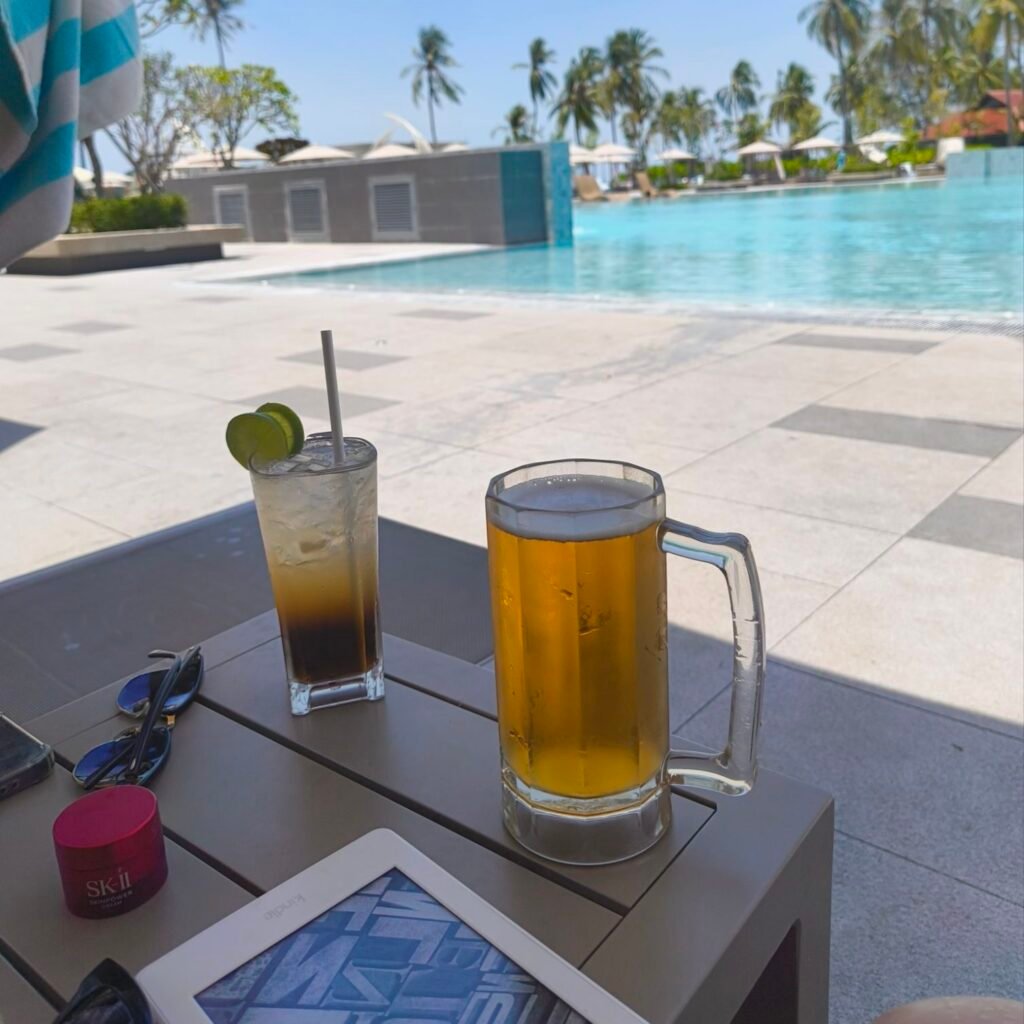
    Drinks by Horizon pool, Pelangi Beach Resort & Spa Langkawi (Beer pint MYR 22; Long island iced tea MYR 33)

    Our room was ready at 2pm, but we ended up checking in much later. After checking out the room, we went to Horizon cafe for a late lunch and coffee, where we got the club sandwich (MYR 38) and grilled chicken burger (MYR 52). The food was passable but nothing to write home about. We lounged about in the room before going down to the beach to catch the sunset.
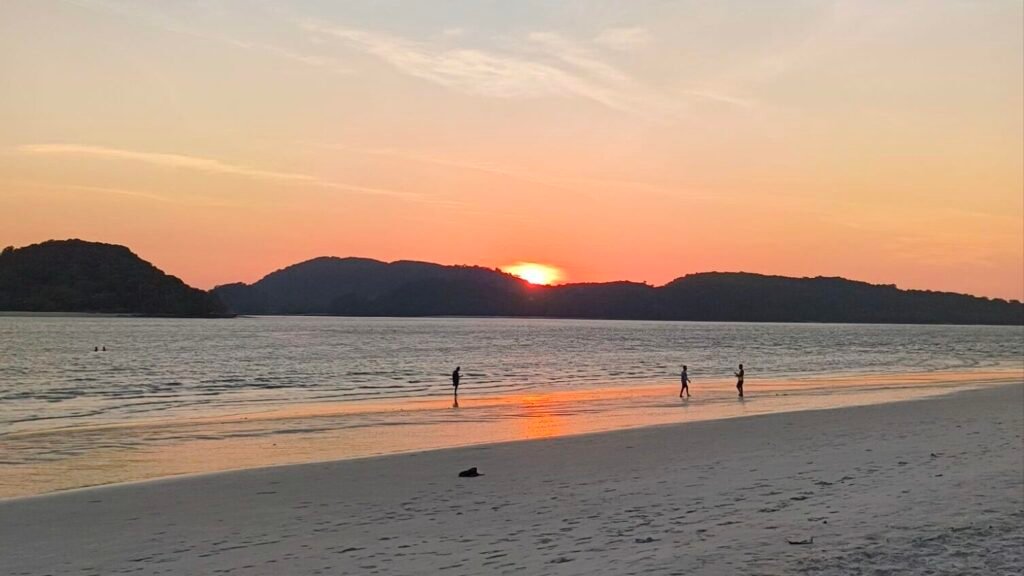
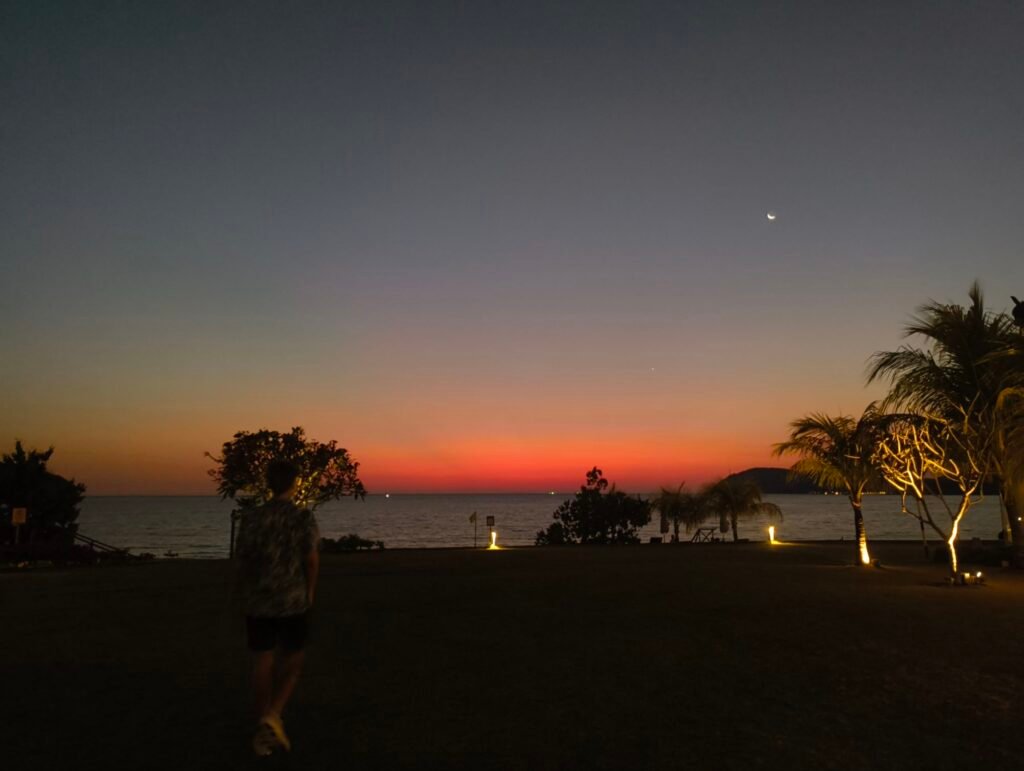
    Sunset on Pantai Cenang, in front of our Seaview King room

    Against the setting sun, we walked down Jalan Pantai Cenang, which felt underwhelming on Hari Raya, with tired souvenirs and many shuttered shops. We chanced upon Honeybee LGK Cenang that was still open and got some baked goods to go.

    Massages are a must on a reset trip. I wanted to check out Alun-Alun spa, which seemed like a more upscale outfit, but the recent reviews seemed lacklustre, so we booked one at swasdi thai massage which had great reviews and 4.5* on Google. The initial impression felt slightly dodgy (the Thai lady boss / masseuse met us by the street corner, and brought us to the actual parlour which was inside a restaurant…). The massages from both masseuses were so good though, that Mark insisted we go back again the next day. Note the shop was small, with just two beds, slightly noisy and not super clean, so it is not for the faint of heart.

    By the time we got back, it was close to 11pm. We ordered room service for a late dinner, and opted for a mee goreng and beef pepperoni pizza (MYR 48). As expected, the local fare was more authentic than the pizza, but we were glad for the variety.
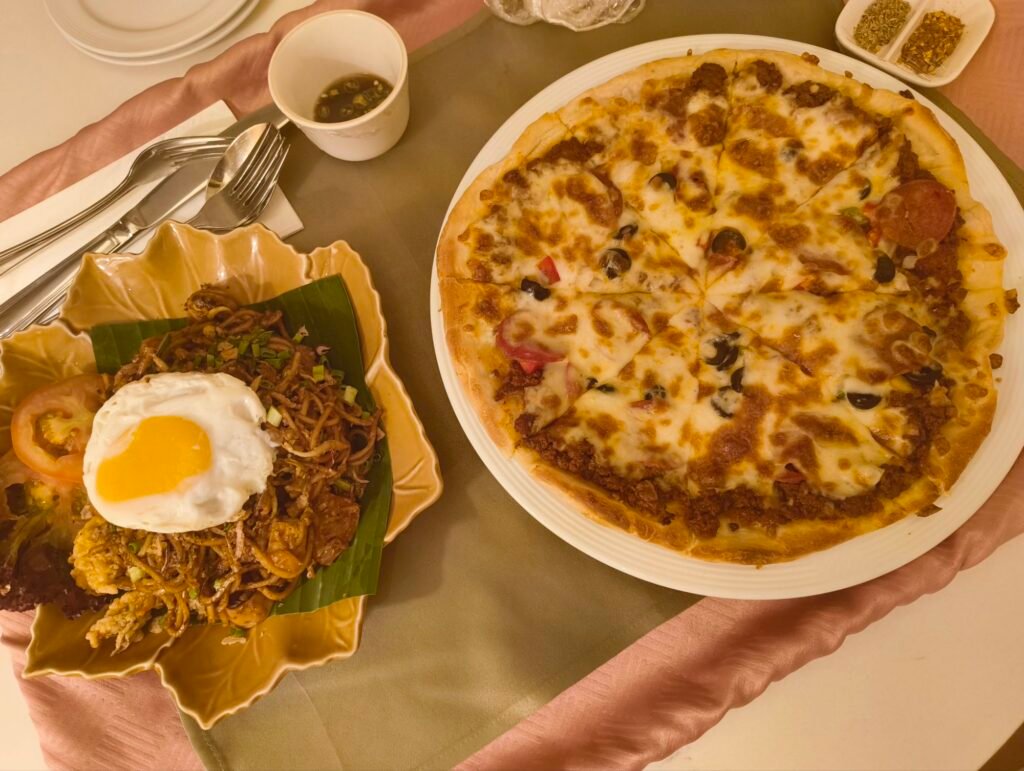
    Mee goreng and pepperoni pizza

    Day two

    When we woke, the ocean had far receded from the shore. Like kids, we walked excitedly down the shoreline, picking up shells and sticks, gingerly scooping starfish with bits of iridescent shell and carefully tossing them back into the sea, and watching sea snails busying in the wet sand, leaving a discreet path in their wake.

    Starfish on Pantai Cenang at low tide

    We went back for breakfast at the Spice Cafe, where we dined against daylight flooding in through large, white french windows and a view of the explosive vibrant pink bougainvilleas just outside. Food was generally delicious, and I particularly enjoyed the noodle soup live station.
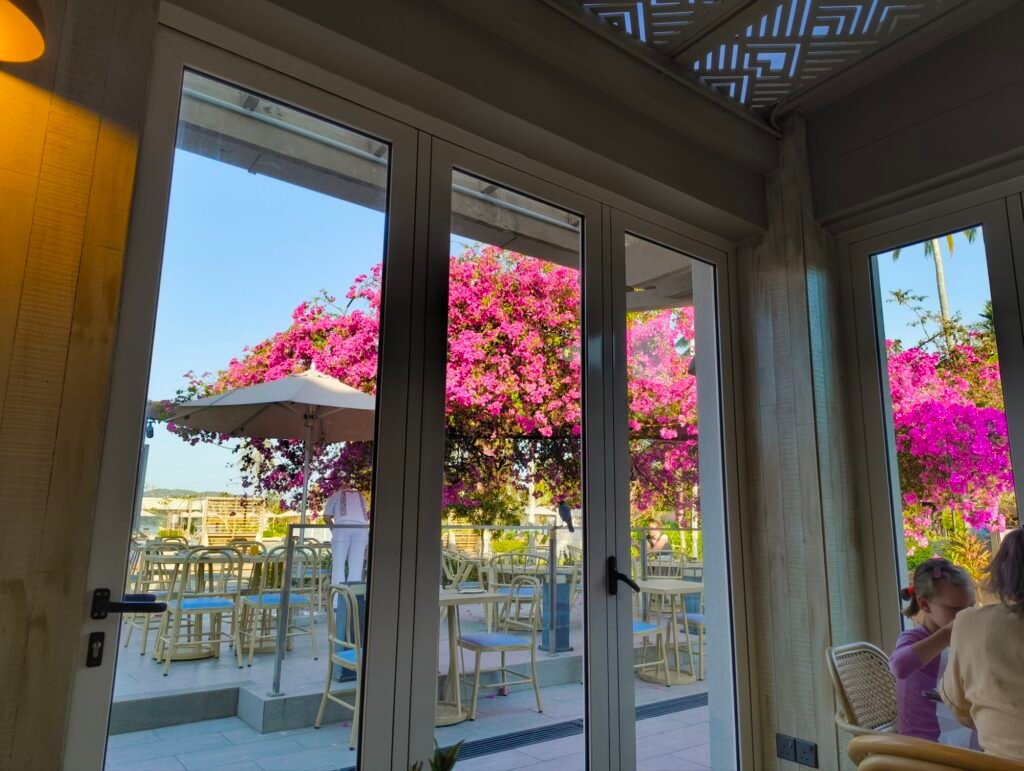
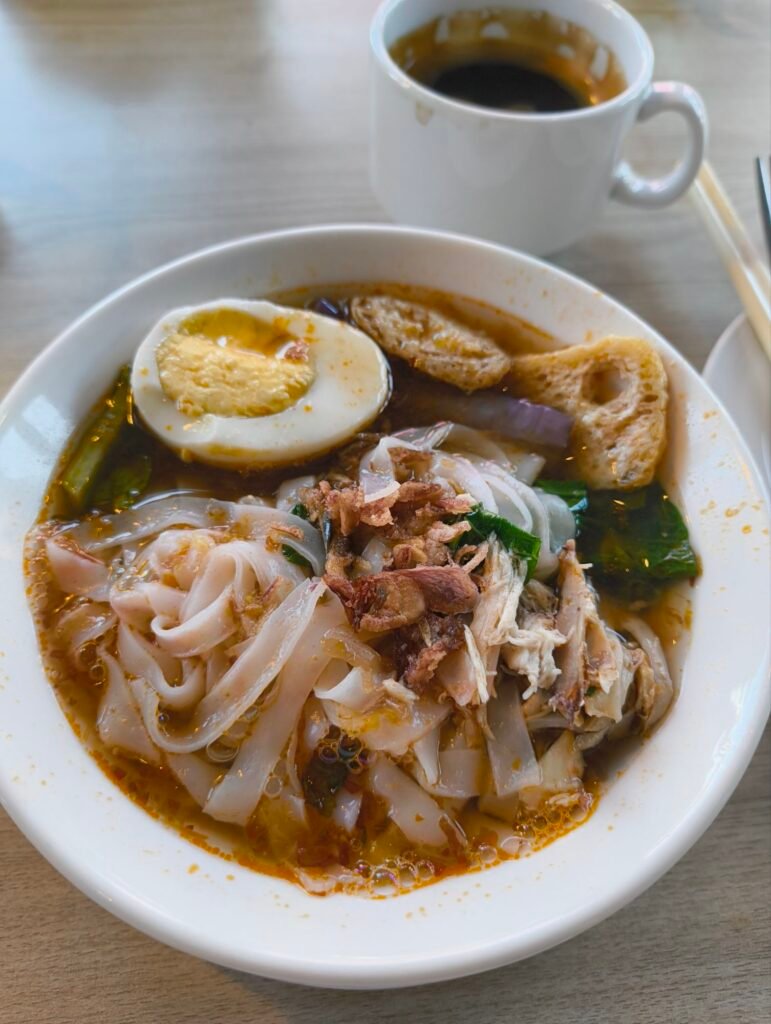
    After breakfast, we headed over to the Cascade Pool to soak in the sun and read for the next hours. The swim-up bar opened at 12pm, and we spent the next few hours chatting and drinking under the bar awning, dipping in and out of the water to escape the heat.

    We had many a drink at the resort over our stay, and I would advise away from the cocktails (I had a mai tai that was almost medicinal in taste, which was confusing but we just laughed about it), but the draft beers were refreshing, and the sparkling wine was welcome in the relentless heat. When we finally recovered from breakfast, we shared a beef wrap (MYR 40), which was the best thing we tried at Horizon cafe over the 2 days, and dove back into the Horizon Pool.

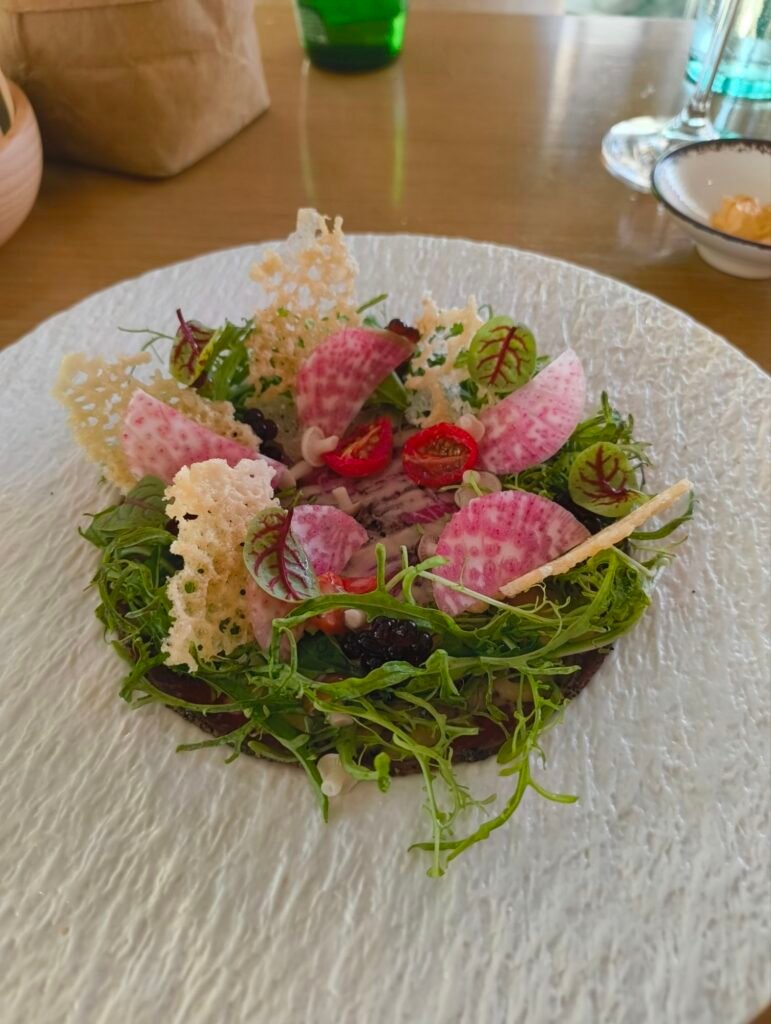
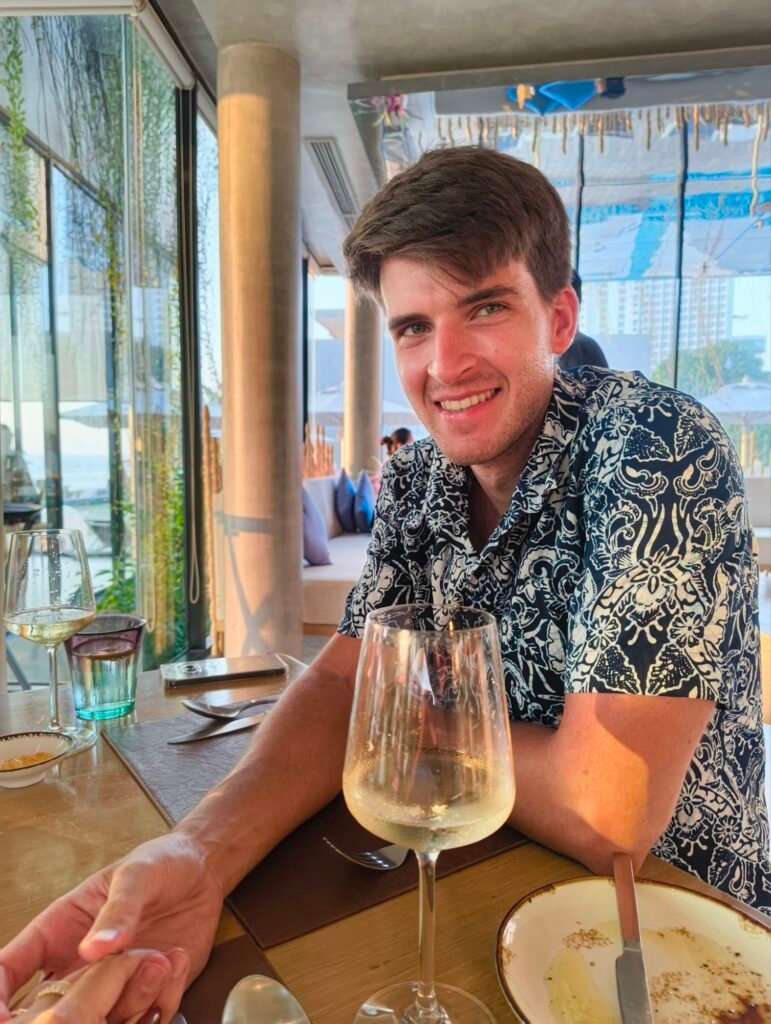
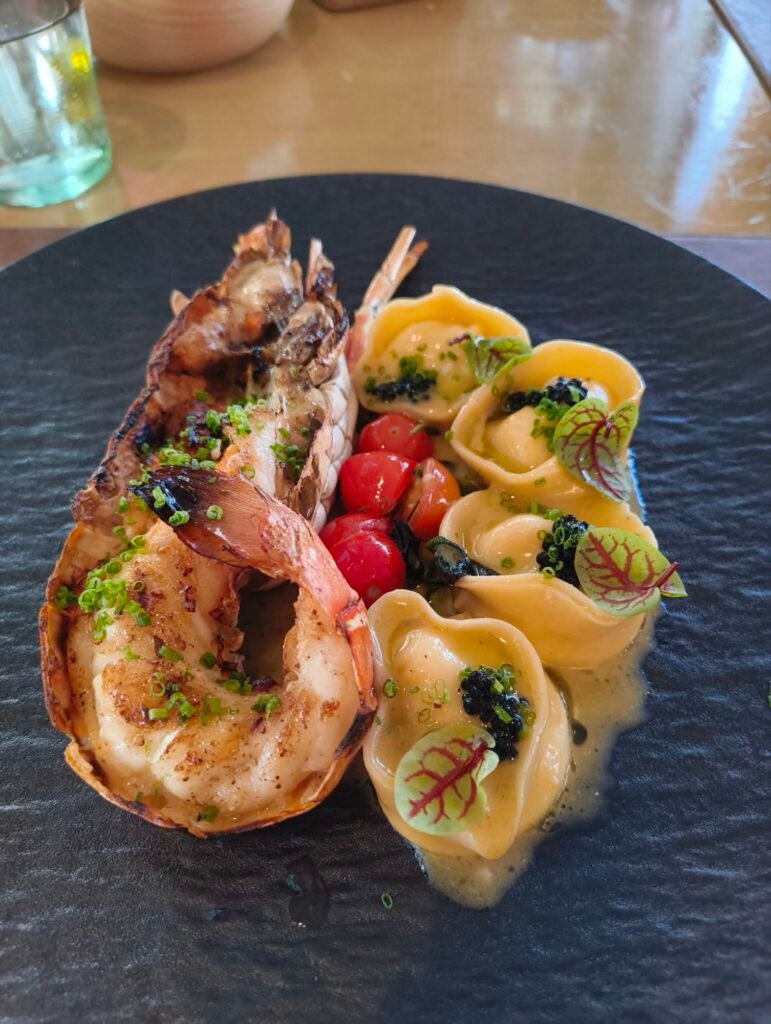
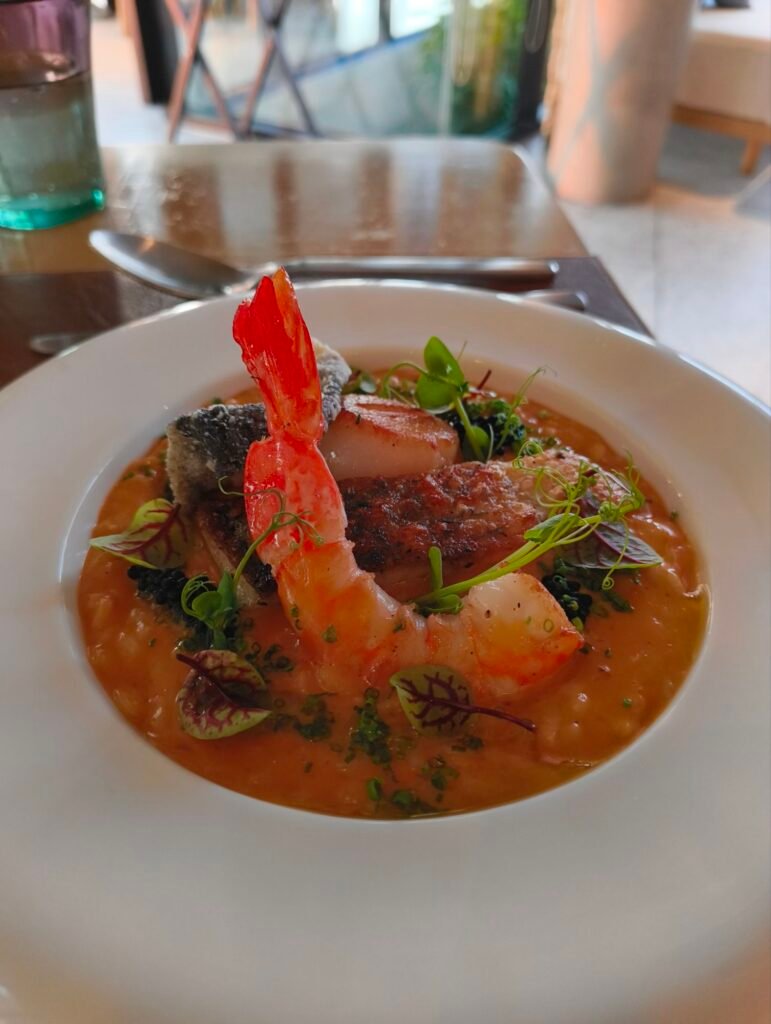
    In the evening, Mark surprised me with dinner at Lancava, a beachfront Mediterranean-inspired restaurant located at Park Royal Langkawi Resort. The dining experience at Lancava was positive, with attentive service and thoughtful, well-executed dishes. The server recommended the gambas al ajillo (MYR 88), Pepper-crusted beef carpaccio (MYR 96), lobster ravioli (MYR 188), and the Lava stone rib eye (MYR 418).
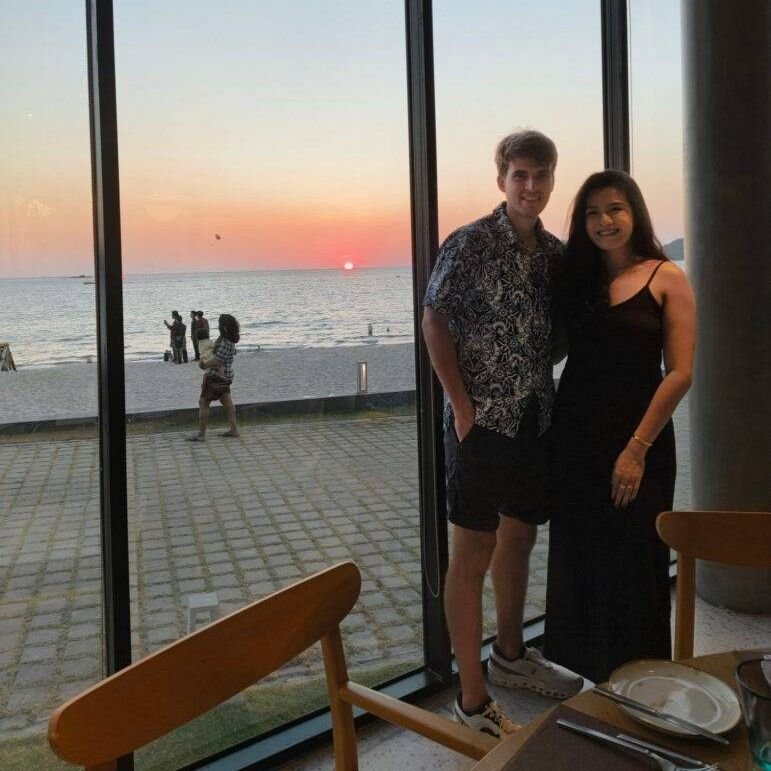
    Lancava restaurant at sunset

    We ended up with the beef carpaccio, lobster ravioli and the Pantai risotto (MYR 108). The Pantai risotto ended up being my favourite dish of the night, with an arborio rice richly infused in a seafood bisque, topped with tiger prawns, scallops, fish, caviar and fish skin.

    The lobster ravioli was well-executed, served with half a lobster (which I understand to be fresh and caught daily) and homemade ravioli stuffed with ricotta, topped with sage and caviar. We only wished there were more than four ravioli being served (?!), which seems to be our eternal struggle with ravioli – that there never is enough.

    The beef carpaccio was a skip for us. When served, we were confused because it presented like a salad (the carpaccio was below a bed of mizuna et al.) and I felt the dish did not highlight the carpaccio enough. The carpaccio tasted fine, but the parmesan tuille was probably the best part of the dish. We were surprised the server recommended this, seeing as there were better dishes on menu.
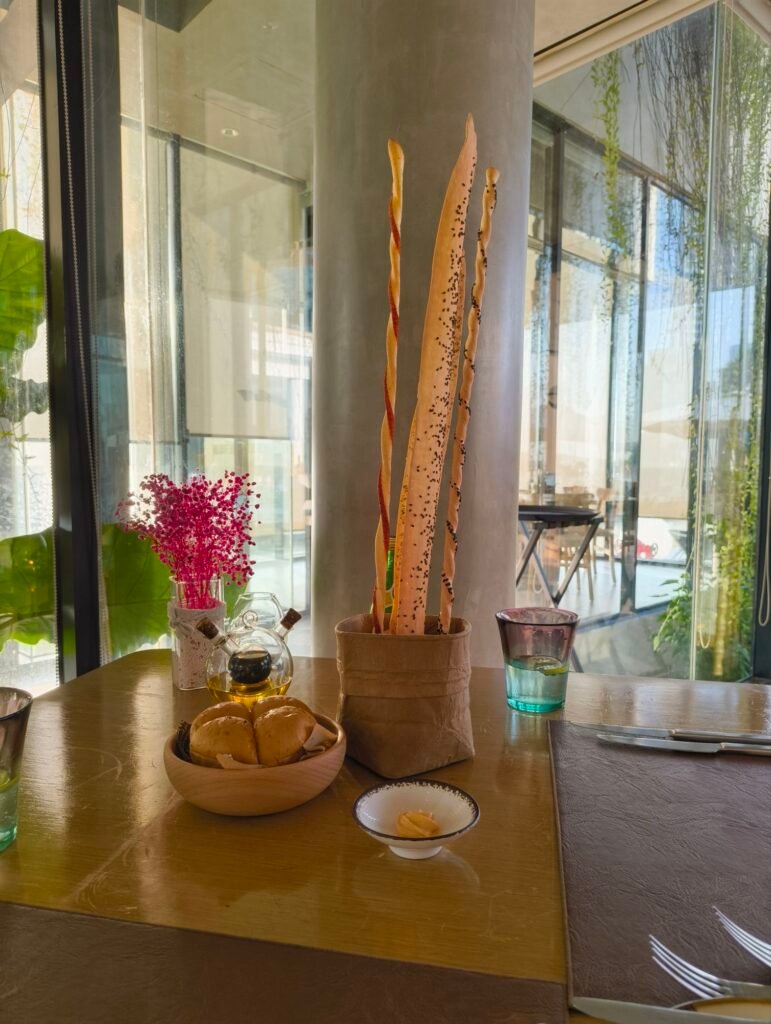
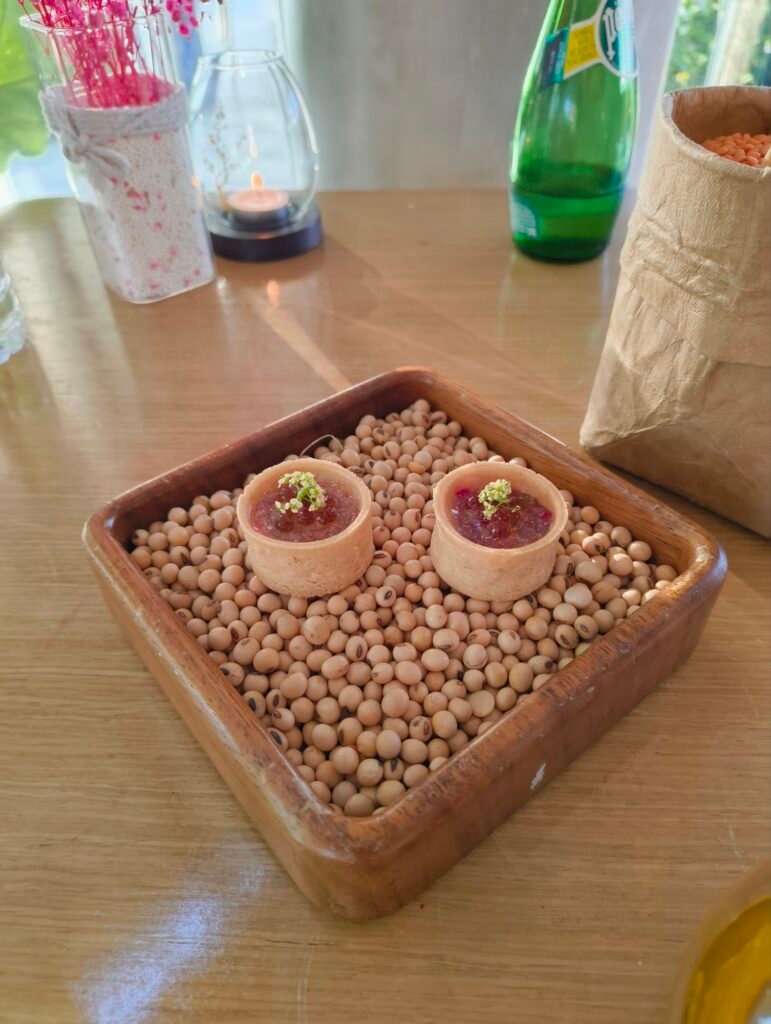
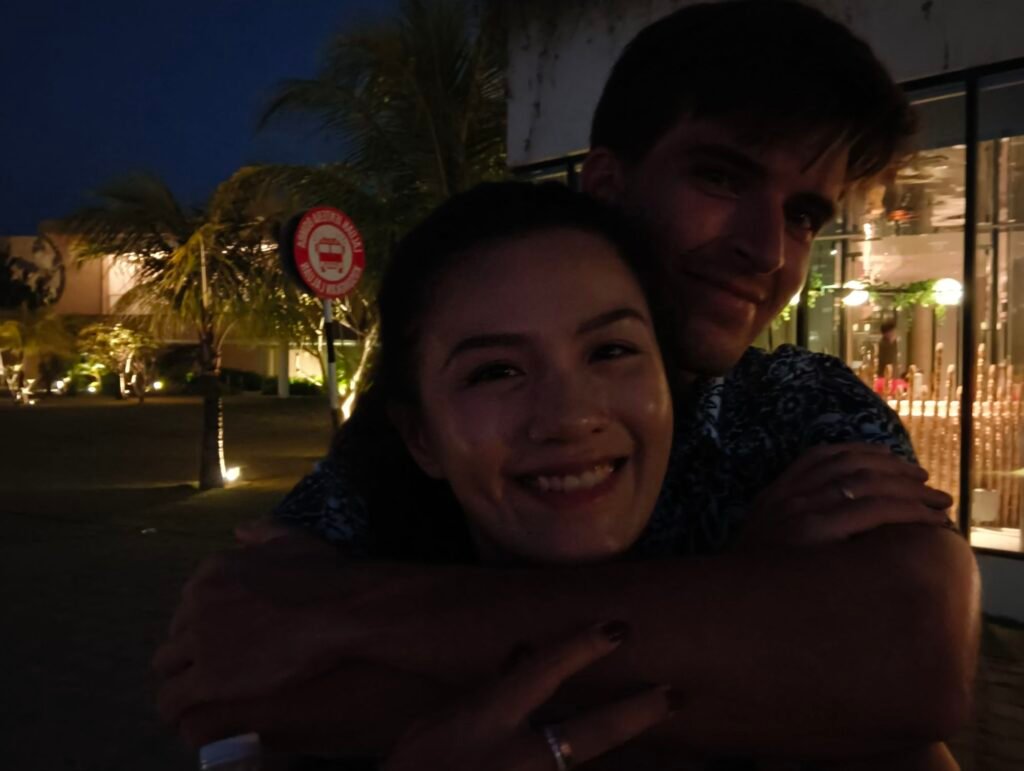
    After dinner, we took a slow stroll to the Cenang strip, only to find ourselves at HoneyBee cafe again. We got a slice of cookies & cream cheesecake while we waited, and bought 2 sausage rolls for our flight home the next day. I would not recommend the cheesecake, which tasted very sweet and light on the cookies and the cheese, but we did enjoy the sausage rolls on our flight the next day.
    Day three

    On our final morning, we had breakfast at 8am, and spent our final hours by the Horizon pool before getting ready to leave for the airport at 11:15am. Our flight was at 12:30pm, and we arrived at the airport around 11:30am, and were at the gate by 12pm. Our flight took off on time and we were back in Singapore by 2:30pm!

    Where we stayed: Pelangi Beach Resort & Spa Langkawi review

    Pelangi Beach Resort & Spa Langkawi is a 5-star beachfront property in Langkawi, located on Pantai Cenang and just 15 minutes drive from the airport. Since we were not planning on leaving the premises much, we picked the property for its accessibility, facilities, and general aesthetic.

    Overall, we would stay at Pelangi Beach Resort and Spa again. While we booked our stay on Booking.com, consider booking directly from their website for deals like MYR50 daily resort credit for F&B or spa, daily ice cream treats, a welcome cocktail and a birthday treat when you stay during your birthday (subject to change, please refer to the hotel website).

    Choosing your room

    We didn’t think much about the room type when booking and chose the Garden Terrace (SGD 323 per night), which cost us SGD 646 for two nights on Booking.com. At check-in, we were upgraded to the Seaview King room, which we enjoyed.

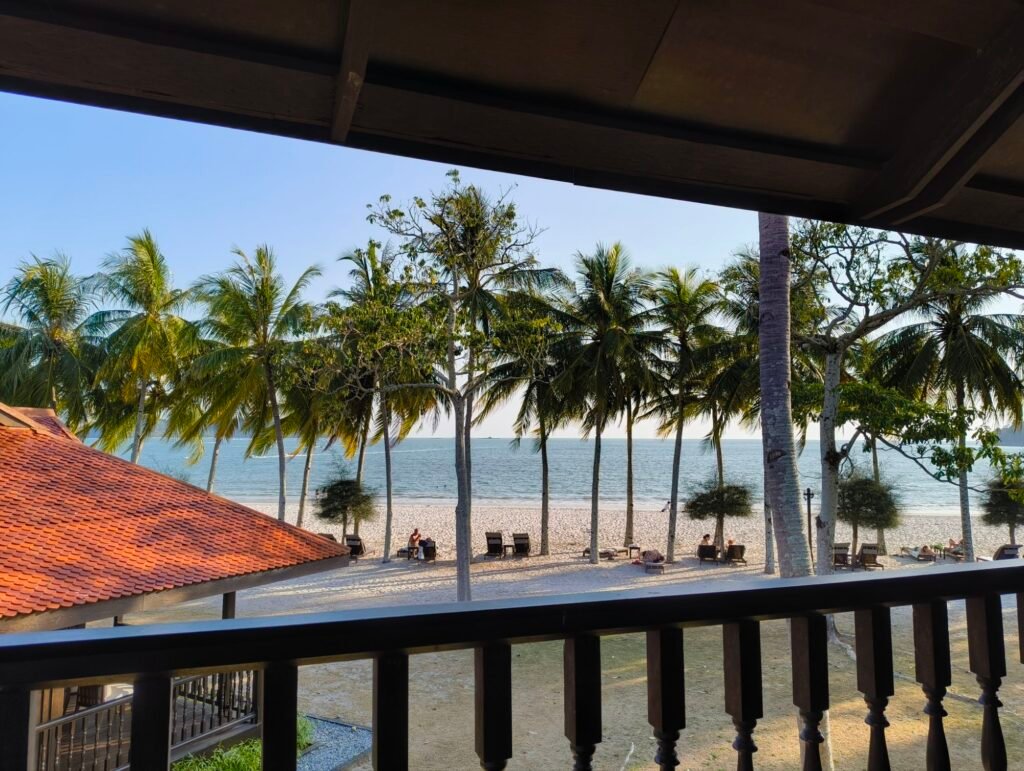
    Most of the hotel ‘blocks’ have 2 storeys, with 2 rooms on each floor. We had a room on the upper storey, which we preferred, with a nice sloped ceiling, and an elevated view of the beach. With a ground floor unit though, you can step directly off your porch and on to the beach.
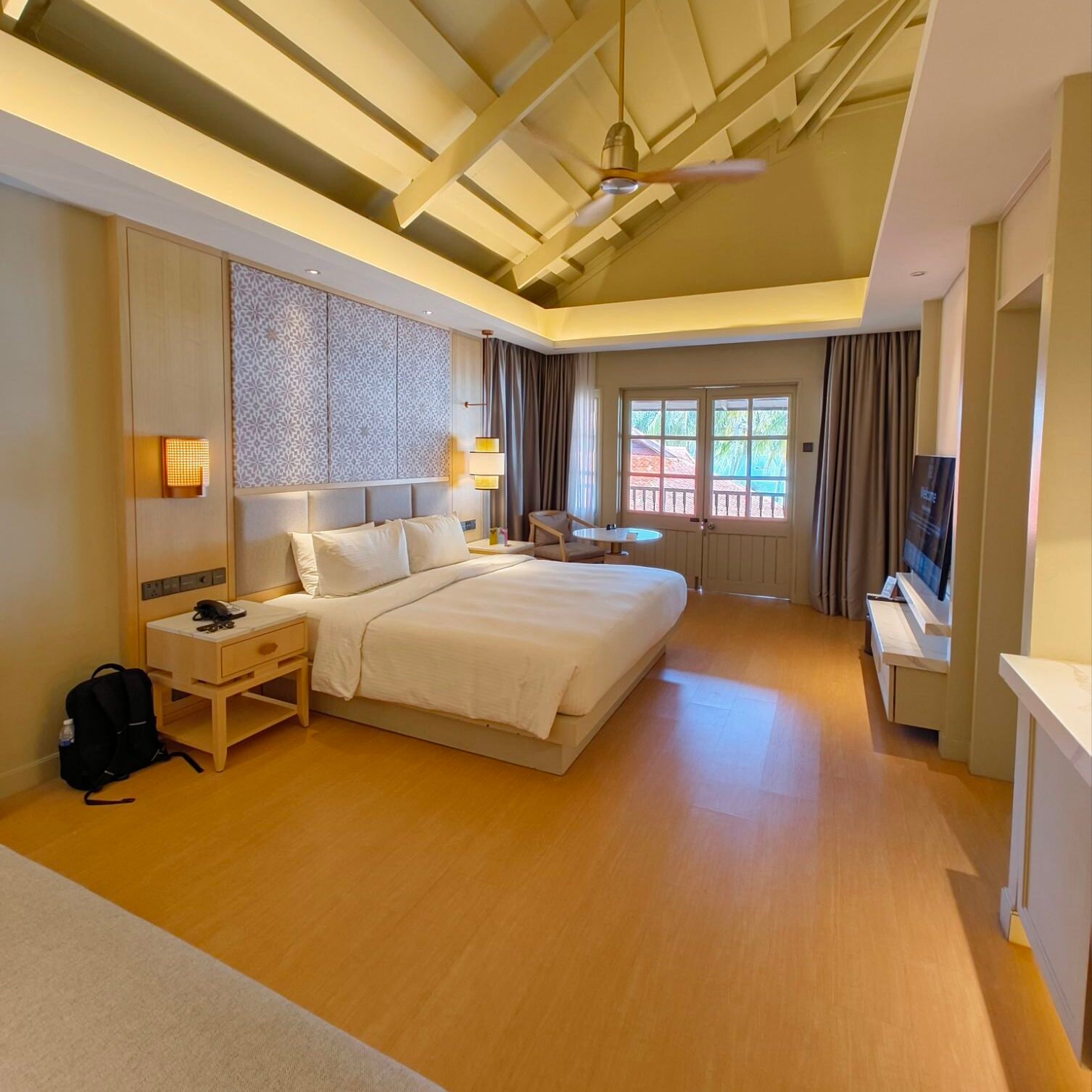
    Pelangi Beach Resort – Seaview King room

    Garden Terrace

    The Garden Terraces face the inner buggy/human path that goes around the resort, so your porch faces internally toward other Garden Terraces. They are not too close together, but you will have less privacy on your porch than the other rooms. The setting is tranquil, and if having a view of water is not important to you, this is a good choice.

    Lakefront

    M liked the look of the Lakefront rooms, which have porches or balconies facing one of two calm, jade-coloured lakes. One of the lakes had a water feature in the middle, which created a misty atmosphere, reminiscent of cottages in Canada nearing fall (but with equator heat). Facing the lake gives you more privacy and buffer from someone looking into your room.

    Pool Terrace

    Pool Terraces are great for families or extroverts (lol) who love being super close to the pool and bar, and don’t mind the chaos up till when the pool closes around 9pm. I personally don’t prefer this but I can understand why some might, especially if you want to read from your balcony while watching over your kids in the pool, or value hyperconvenience.

    Most of the Pool Terrace units would be around the Cascade Pool, which is at the further end of the resort.

    Island View & Seaview

    The Island view and Seaview rooms are similar, outward facing units that face the sea. As the landscape varies around the resort, the Island view rooms seem to face the sea but do not necessarily have a strip of beach in front of it. The Island view rooms are located at the farther end away from the city, while the Seaview rooms are closer to the town (Pantai Cenang), which means you are subject to noise from the city. We bore the brunt of this as it was Hari Raya and locals were celebrating with fireworks till 1am, but we didn’t mind it much since it was a festive day and we relished in the wonderful energy of the island.

    We enjoyed our Seaview King room, with a balcony facing the beach where I could read in peace, but also put us within 5 seconds from the beach.
    Other features: Pelangi Beach Resort & Spa

    Complimentary buggy service

    As the resort premises are quite sprawled out, there are hotel buggies that can take you to and fro where you’d like to go. In theory, great. In practice, we barely used this as we found the buggy wait time to be too long (definitely island time).
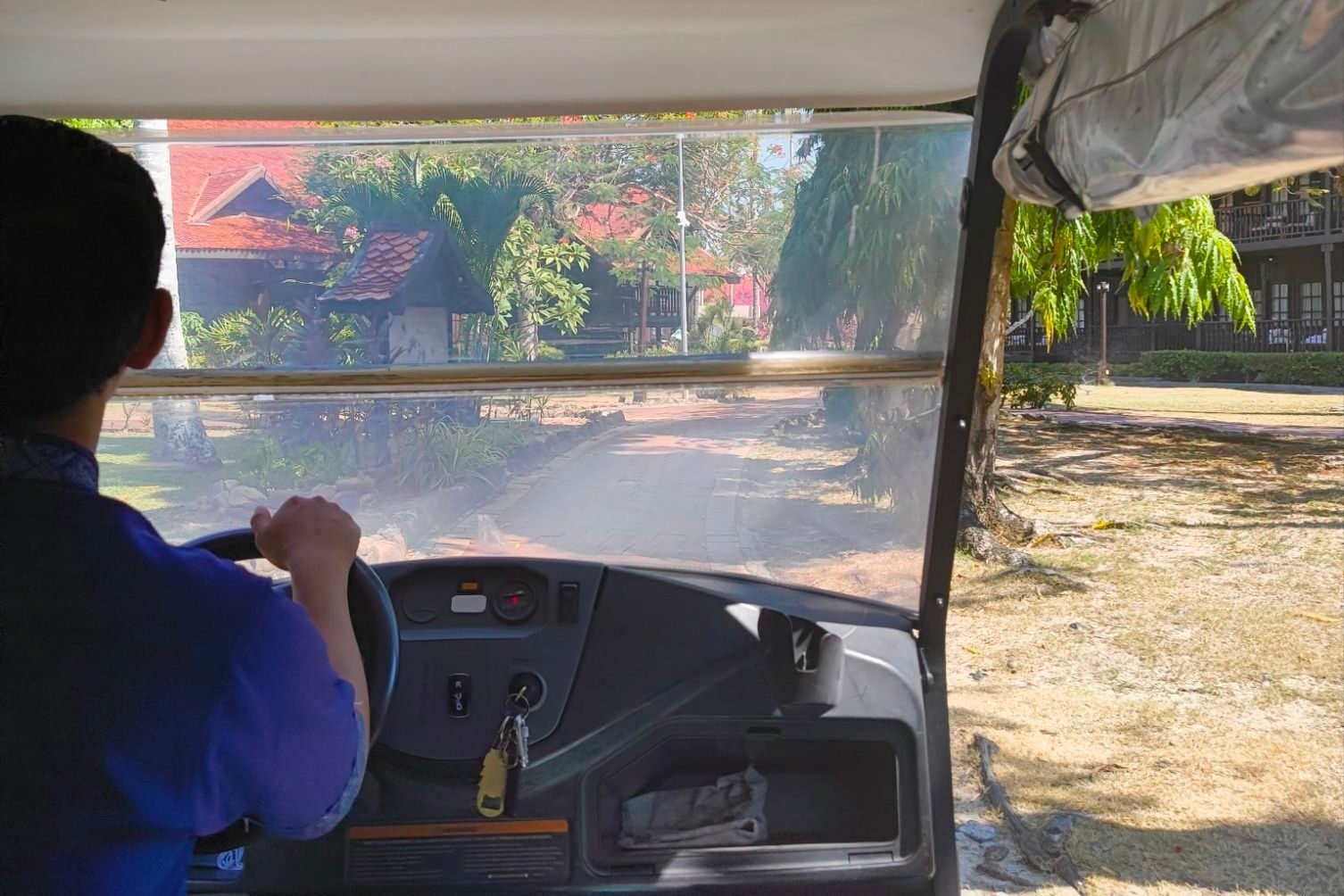
    On our way to check out

    Pools

    The resort has two pools, the Horizon Pool and Cascade Pool. The Horizon Pool is just by the hotel entrance, and is the more family-friendly of the two, with a 45-meter lap pool and kids’ water play area featuring slides and fountains.

    The Cascade Pool is an Olympic-sized pool with a swim-up bar, at the farther end of the resort. We spent most of our second day at the Cascade Pool, getting almost burnt to a crisp while enjoying drinks from the swim-up bar.
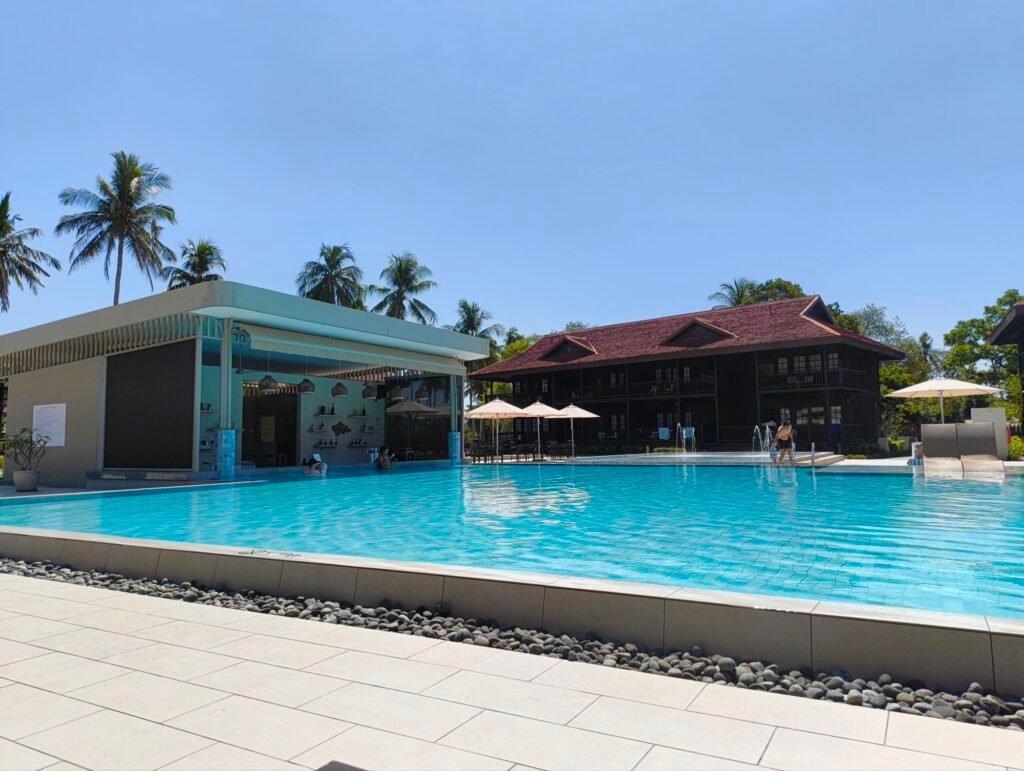
    Pelangi Beach Resort – Cascade Pool with swim-up bar

    Fitness

    The resort has a gymnasium (which we did not visit), pickleball and tennis courts that you can book, and yoga sessions. While there are complimentary beachfront yoga sessions available, they only take place on Tuesday and Friday from 8am – 9am, which realistically are not applicable for most long weekend trips. Alternatively, you can book private 60-min yoga sessions (for 2 pax) for MYR 250.

    Customer and room service

    In general, hospitality could be improved at Pelangi. Staff were friendly but not particularly helpful. We found the room service a hit or miss — the staff took awhile to pick up each time, but we did manage to order room service, order a buggy, and ask for more water throughout our stay. However, they did not pick up our in-room dining trays despite us asking for them to be picked up from outside our room, so we woke up the next morning to our dinner trays still outside our room. We noticed this for other rooms as well.

    Getting there: AirAsia

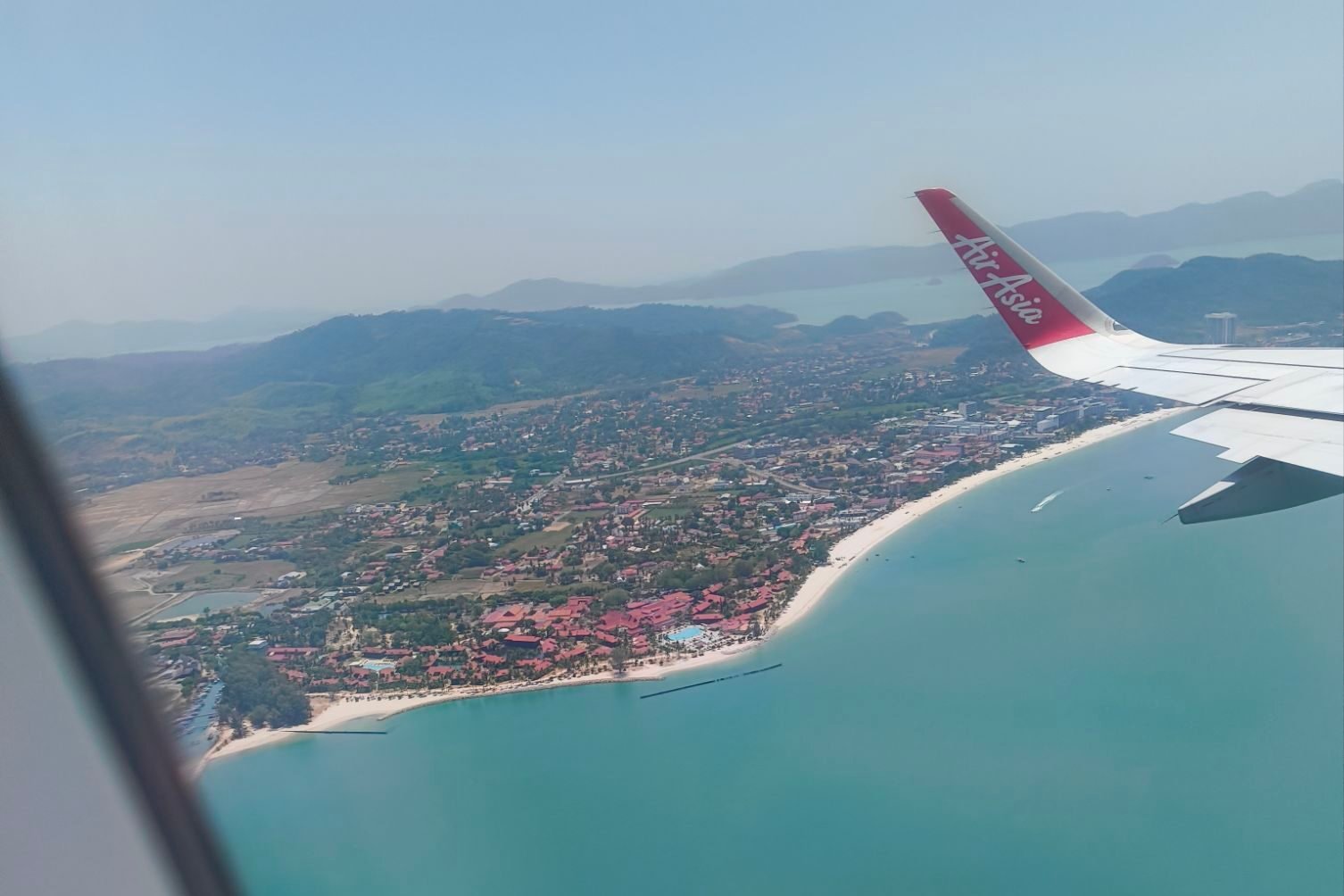
    Since Langkawi is only 90 mins away from Singapore, we flew AirAsia. Round trip tickets cost about SGD 420 for 2 people (SGD 210 per person), which was pretty reasonable. I booked the flights about 3 months before takeoff.

    My experience with AirAsia was no-frills but seamless. Both flights took off on time and both arrived earlier than expected (the same cannot be said for my recent Scoot flights, which have taken a nosedive as of late).
    Making the most of 50 hours: What we learnt

    50 hours, or 3D2N, is not a long time. To reset in under that time, here are some tips and tricks to ensure an actually restful reset.

    1. Plan around the long weekends (in advance)

    Why use more leave when few leave do trick? We try to plan these shorter getaways around the long weekends, and use no leave days at all. If you are looking to schedule your next short break, here are the remaining long weekends in Singapore, based on public holidays for the rest of 2026 and 2027 to aid your planning.

    To avoid stressing closer to date, book your flights and accommodation at least 3 months in advance.
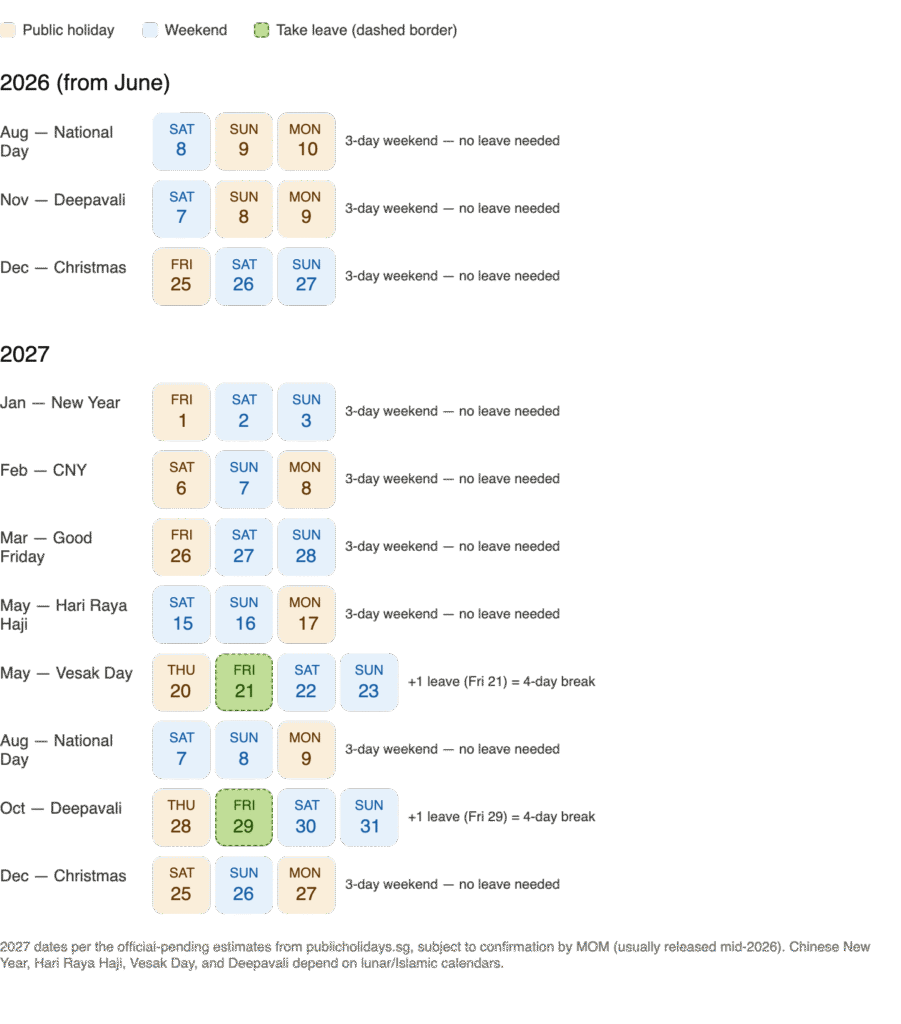
    Long weekend calendar 2026 – 2027 | Singapore Public Holidays

    2. Choose nearby destinations for a short commute

    Keep your enemies close and your destinations closer (for these short getaways). Since time is of the essence, shorten all sorts of travel times

    • between Singapore and destination
    • between destination airport and accommodation
    • between accommodation and key sights (if you plan to leave the hotel)

    3. Travel light to move fast

    I have found that if you choose destinations with small airports servicing few flights, immigration and security tends to be a lot quicker. In addition, avoid checking any luggage in (and honestly for under 50 hours, you don’t need it).

    TLDR: Itinerary at a glance

    Day one

    • 10:45am – 12:15pm (1.5 hours): Flew in to Langkawi
    • 12:15pm – 12:30pm (15 mins): Grab from airport to hotel
    • 12:30pm – 3:30pm(3 hours): Swam and basked in the sun
    • 3:30pm – 5pm (1.5 hours): Check-in, late lunch and coffee
    • 5pm – 6:30pm (1.5 hours): Lounged in room
    • 6:30pm – 8pm (1.5 hours): Read on the beach at sunset
    • 8pm – 9:30pm (1.5 hours): Sunset beach and Cenang town walk
    • 9:30pm – 10:30pm (1 hour): Massage
    • 11:00pm -: Late night room service

    Day two

    • 7am: Read on the balcony
    • 7:30am – 8:45am (1.25 hours): Beach walk at low tide
    • 8:30am – 10am (1.5 hours): Breakfast
    • 10am – 4pm (6 hours): Sunbathe and read
    • 4 – 5pm (1 hour): Late snack and coffee
    • 5 – 6:30pm (1.5 hours): Lounged in room
    • 6:30pm – 8pm (1.5 hours: Dinner at Lancava
    • 8pm – 8:45pm (45 mins): Night stroll
    • 8:45pm – 9:30pm (45 mins): Dessert break
    • 9:30pm – 10:30pm (1 hour): Massage

    Day three

    • 8am – 9am (1 hour): Breakfast
    • 9am – 11am (2 hours): Sunbathe and read
    • 11am – 12pm (1 hour): Shower and head to airport
    • 12:30pm – 2:30pm (2 hours): Flight from Langkawi to Singapore)

    Happy travels and till next time, x
  • Small but mighty: My review of the Yizhiyin mini e-reader

    Small but mighty: My review of the Yizhiyin mini e-reader

    In Atomic Habits, James Clear writes about removing friction and designing your environment to suit your goals. In this two-part series, I write about two small (literally) purchases that have added to my life.

    In part one, I wrote about the Kodak Charmera. This is part two of two, featuring the Yizhiyin mini e-reader.

    I bought a kindle back in 2017 so I did not have to bring heavy books around. Then I stopped bringing my kindle around because either my bag was already too heavy, or my bag was too small, or my kindle was in the wrong bag. Like a pebble in my shoe, this was an inconvenience I mostly kept to myself, but instead of reading during free pockets of time, I ended up mindlessly doomscrolling on my phone.

    No one knows you better than e-commerce algorithms, because Taobao did something when they put this teeny, tiny e-reader on my radar.

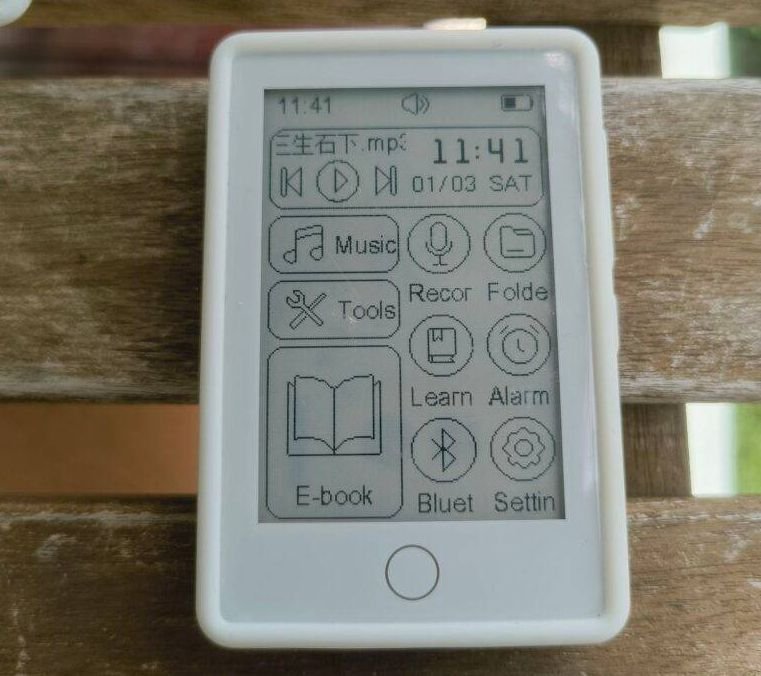
    Home screen of the Yizhiyin e-reader and mp3 player

    Produced by Chinese company Yi Zhi Yin, I can only describe this millennial fever dream as a true Chinese multi-hyphenate: it is an e-ink e-reader, music player, and also has a suite of nice-to-have functions, like audio recording, an in-built alarm, English and Mandarin dictionaries, calendar, radio, and a calculator.

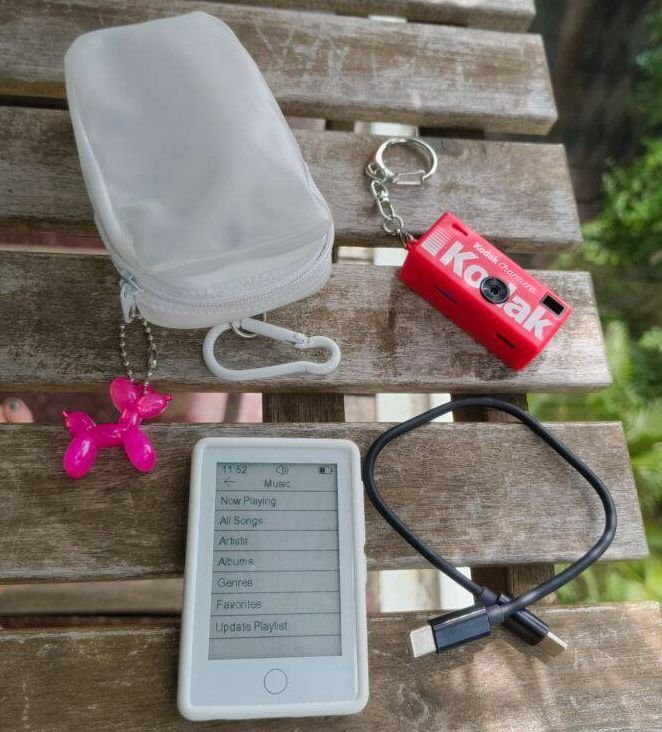
    The e-reader came in a black rectangular box, with a silicone protective shell, pair of mp3 jack earpieces and a usb-usbc cable. I love the silicone shell – it reminds me of iPod nano cases two decades ago. I wish they provided a screen protector because I scratched the screen within the first day. The mp3 jack earpieces were generous, but they have a strange design which are a bit too funky for my liking, so I default to my airpods anyway.

    Technicals

    1. Price

    The device cost less that SGD $40 on Taobao (I paid ~$37 SGD) so my expectations were minimal. For the price, the device packs a lot of punch and overdelivered in value.

    2. Size

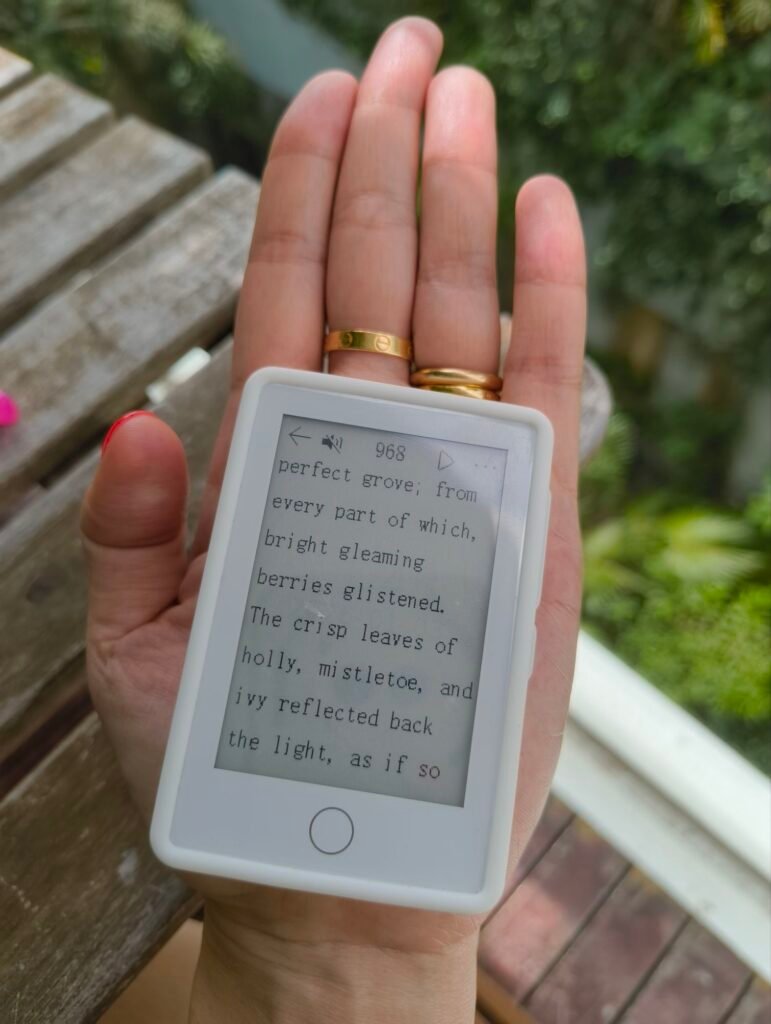
    The e-reader is about palm-sized at 51.2mm x 78.3mm x 9.5mm, with an e-ink display of 2.7 inches, and weighs just 64.3g.

    Palm-sized e-reader

    3. Bluetooth connectivity

    The yizhiyin e-reader has bluetooth capabilities and connects seamlessly with my AirPods. However, if you want to switch connections between the e-reader and other devices, you have to disconnect from the e-reader manually before connecting to another device. I tried to connect my AirPods to my phone and the yizhiyin e-reader repeatedly broke my connection with my phone when I did not disconnect the AirPods first.

    4. File transfer

    As a current Nothing phone (and ex-iPhone) user, I use a usbc-usbc cable to charge or transfer files between both the e-reader and the Kodak Charmera, and my phone quite seamlessly, dragging and dropping from Files to the external device (much like how you’d move files onto a USB). Honestly, I can’t imagine doing something like that with an iPhone so that’s something iPhone users will have to reckon with!

    As an e-reader, it only reads files in txt format, which I find accessible. As the screen is notably tiny, it makes sense that you can’t access pdf or other more structured formats.

    For audio, acceptable formats are mp3, wma, ape, flac, wav, aac.

    5. Storage

    The e-reader has an in-built 32GB storage, and a micro-sd card slot if you do run out of storage.

    Performance

    1. As an e-reader

    It is important to acknowledge my use case for the device – I wanted something lightweight for on-the-go reading, not as a primary reading device for long sittings.

    Pre-loaded books

    Upon purchase, you can choose to have a clean device or preloaded with thousands of books and songs. I was curious and went with the latter, and even asked for more English books. As expected, pretty much all the books were in Mandarin, and the English books were really random texts, so I would probably skip this. The preloaded songs though (more on this below) are pretty fun to have.

    Autoplay pages

    While hyper-portable, the small screen size discourages prolonged reading. However, it feels like the creators really thought about the device’s limitations and tweaked its features to enhance the user experience.

    With each frame displaying ~20-30 words, the device has autoscroll capabilities, where you can set the screen to flip to the next page every x seconds (I set mine to 6-7s).

    Autoplay pages on the Yizhiyin e-reader

    Text-to-speech

    There is also a read-aloud function, which is crazy to me. Unfortunately, this only works for chinese text and not english text (!). Still, really impressive that this feature exists.

    Reading backlight

    The device has a backlight, which is unfortunately way too bright. If you are trying to read in bed at night, it is much like staring into a beacon of light and having your corneas burned off. In bright light conditions, it works well.

    Other e-reader features

    You can add and manage bookmarks, select chapters, and change the font size.

    Note: The device comes preset in Mandarin, but you can change this to English in the settings once you receive the device. If Mandarin is not your mother tongue, you can reach out to customer support for help.

    2. As a music player

    The device also being a music player was a nice perk. The device works really well as an mp3 player and I plan to use it often. I am looking to simplify as part of my new year resolutions (more on this another time perhaps), so in a big leap, I cancelled my Spotify subscription. How will I ever live without my Discover Weekly? Well, we will see. Wish me luck!

    Preloaded songs

    The device came with thousands of music files, ranging from english and mandarin to even korean songs, with a hard tilt towards mandarin songs. The songs feel quite karaoke-core, so I would still recommend you load your own songs, but this provides a nice starting point.

    Play songs aloud

    If you are not plugged into a pair of earpieces, this mighty little device also plays music out loud! Sound quality is decent.

    Search function

    A drawback of the user experience is the search function. If you are looking for a specific song, you’d have to type it in the search bar and wait for it to pop up. The search function takes a bit more time than what we are used to in this day and age, but I can live with it.

    Bonus: Customer support

    The customer support for this device has been impeccable. They accommodated my request to include more English texts and songs and promptly answered my questions on how to access certain features post-purchase.

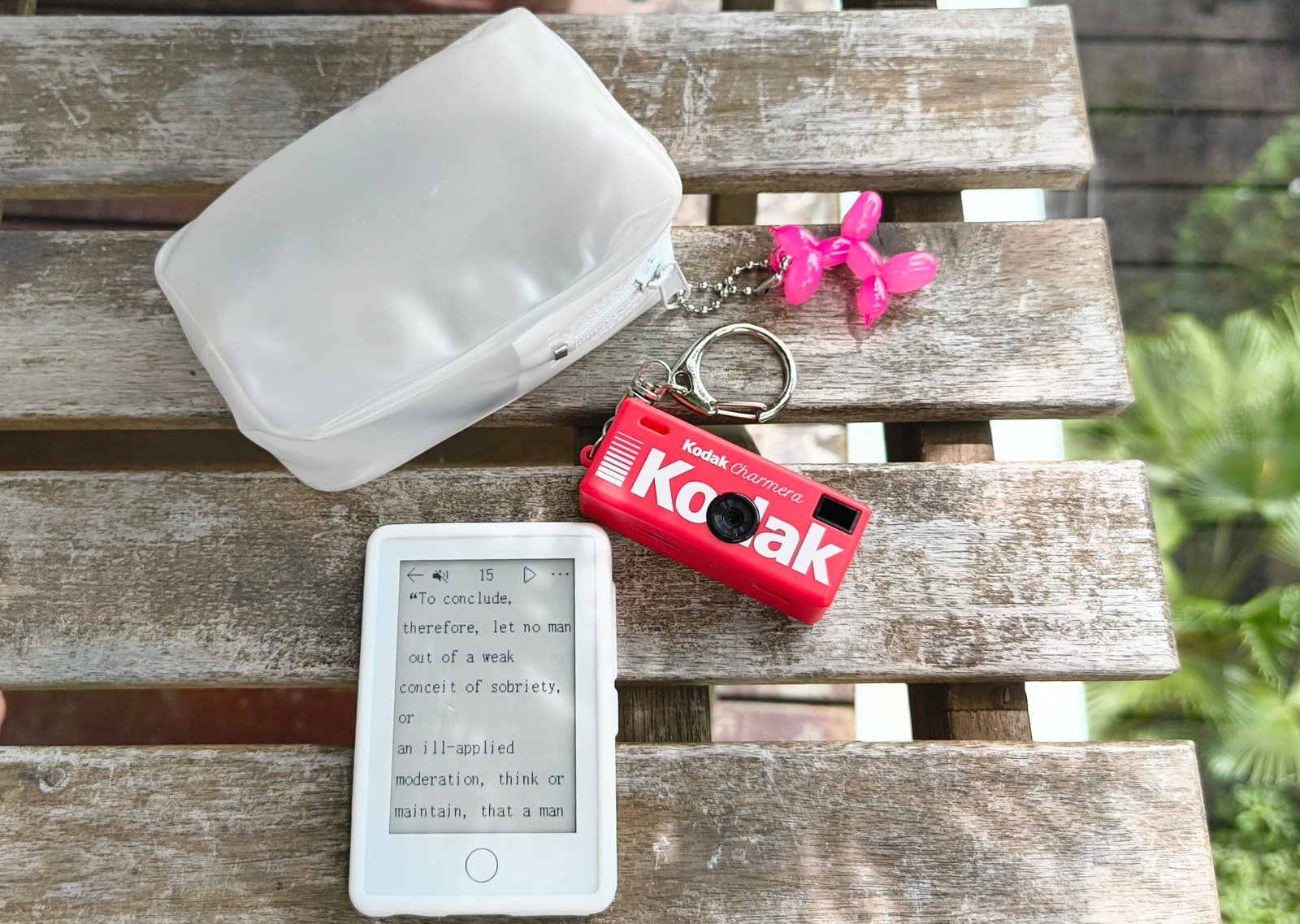
    What’s in my bag: Kodak Charmera, Yizhiyin mp3 e-reader, usb-c cable

    Where to buy

    I bought (and wrote about) the Kodak Charmera and now the Yizhiyin e-reader very intentionally. These are small purchases (both items cost me less than SGD $100 total) that move me towards things I want to do – to engage more deeply with life, capture moments with more pause, and to read earnestly. And I tested them out and liked them enough to write about them.

    I do not encourage mindless buying, but if these products add alignment to your life like they do mine (so far), you can click to purchase the Yizhiyin e-reader and the Kodak Charmera on Taobao.

    I am on day 3 of my social media cleanse (another NYR) so I hope to write more long-form content here or offline. Till next time! x

  • A charmed life: My review of the Kodak Charmera

    A charmed life: My review of the Kodak Charmera

    In Atomic Habits, James Clear writes about removing friction and designing your environment to suit your goals. That’s what I’m going with as my motivations behind two new nano-gadgets in my life.

    This is part one of two, featuring the Kodak Charmera.

    Kodak Charmera in red

    I was in Johor Bahru over the weekend with my extended family. Being quite new to Johor Bahru, my cousins were showing me around Mid Valley SouthKey, which is a huge upscale mall (relative to the other malls I was brought to), when an acrylic display of six retro-looking tiny cameras in a camera shop caught my eye.

    These turned out to be the viral Kodak Charmeras, which truth be told, were not on my algorithm (why, Instagram? I’m very interested.) I later found out they were taking the world by storm, and I didn’t even know it! So here’s my impression of the Charmera from the moment I laid my eyes on it till this time of writing (I’ve had it for a week now), and how it fits (like a charm) in my life.

    TLDR: I love it and am obsessed. If you’re looking for tea to not get it, just get it.

    Name and concept

    ‘Charmera’ is a portmanteau of charm and camera, which aptly sums it up: a digital camera the size of a bag charm which takes photos and videos with a charming (yes) dreamy effect. It comes with a bunch of filters and preset templates, which are nice to have but I have not reached for.

    The Charmeras aren’t produced by Kodak themselves, but by a licensee company known as RETO Production Limited. The designs are inspired by the Kodak Fling in the 80’s, which was Kodak’s first single-use camera.

    They come in blind boxes, with 7 available designs, 6 standard and 1 secret (the transparent case). Personally, I like the yellow, white, red, and transparent ones – so I was quite happy when I got the red, but my last shred of self-restraint is keeping me from trying to collect them all.

    In each box, you get the camera, a keychain attachment, and a usb-c – usb cable. Do note that you will require a micro-sd card for storage which is not included. I got a cheap 8gb one (do they even make these anymore?) from a random shop in JB for MYR14, and it is more than enough, given I transfer the photos to my phone regularly.

    Technicals

    I’m not a tech blogger, so here are the technicals that mattered to me. For more, visit the official website.

    1. Size
    I was first drawn to their size: they are tiny, measuring approximately 58mm (width) x 24.5mm (height) x 20mm (depth), and weighing 30 grams.

    While I have other digital cameras, they weigh something and I always end up defaulting to my phone camera on a daily basis. On my phone you will find a bunch of mindless snaps I occasionally look through, and countless retakes I never end up deleting. I’m trying to be more intentional with what I capture nowadays, and to take just one snap each time, so having a separate camera helps, and with the Charmera weighing next to nothing, there is no excuse to not bring this everywhere you go.

    A sneak peek of the other nano gadget I’ll be writing about in part two

    2. Screen and viewfinder
    When I was 14, I had a similar keychain digital camera. It had no viewfinder or screen, and you could view images captured when you plug it into your laptop via a usb port. As a result, I never really used it – it turns out I like to view things the moment I capture them or I quickly forget!

    So I really appreciate that the Charmera has a digital screen (and a semi-accurate viewfinder). The digital screen is a game-changer as it allows you to preview what you capture and also scroll through past captures. The viewfinder is nice to have but I never really use it. The camera actually captures more than what you see through the viewfinder.

    3. Transferring photos to your phone
    The Kodak Charmera has a usb-c port, which makes transferring photos to your phone very easy. I use an Android (Nothing phone) now, so with a usb-c to usb-c cable, I navigate to files and move the photos to an album on my phone.

    One issue though, is that the photos don’t get saved in a chronological order, which can be annoying.

    4. Price and where to buy
    I bought mine in person and it costed MYR 188 at the shop in Mid Valley, which is around SGD 60. I got the last box, but the staff told me they restock every 1-2 weeks. Considering the instant gratification factor, I would say this camera is worth it. I was later educated by a friend that they retail for SGD 39 originally but have been sold out, and resellers or online retailers have been selling them for much more.

    I found some for a pretty fair price on Taobao, if you are so interested after reading this post, you can considering picking one up here.

    Performance

    The Kodak Charmera powers up quickly, is lightweight, captures beautifully, and transfers easily.

    I would describe the images captured as the essence of memory: hazy, rose-tinted, real. The Charmera is a millennial’s dream (and also many Gen Z’s, based on the messages I got after posting an IG story of mine); it reminds me of VSCO, tumblr’s heydays, I guess, of how I remember my teenage years.

    As I round the curb on thirty, it is clear to me that I’d like to live mindfully – that means, taking in everything life presents, in the present, and remembering what’s important.

    I look at the photos I take on the Charmera and think, what a beautiful and charmed life I am living, full of love and laughter, fine people and good food. I think, this is how I want to remember my life.

    I’ll post more pictures on @marmiteprincess on IG

    Here’s to living x